Our Story
We follow non-dig methods and are pesticide-free. We believe that a healthy soil is key to producing robust healthy plants with beautiful flowers. We garden alongside nature, using our home made compost. Our imports such as mulch and liquid seaweed feed are organically certified and wherever possible sourced from local businesses.
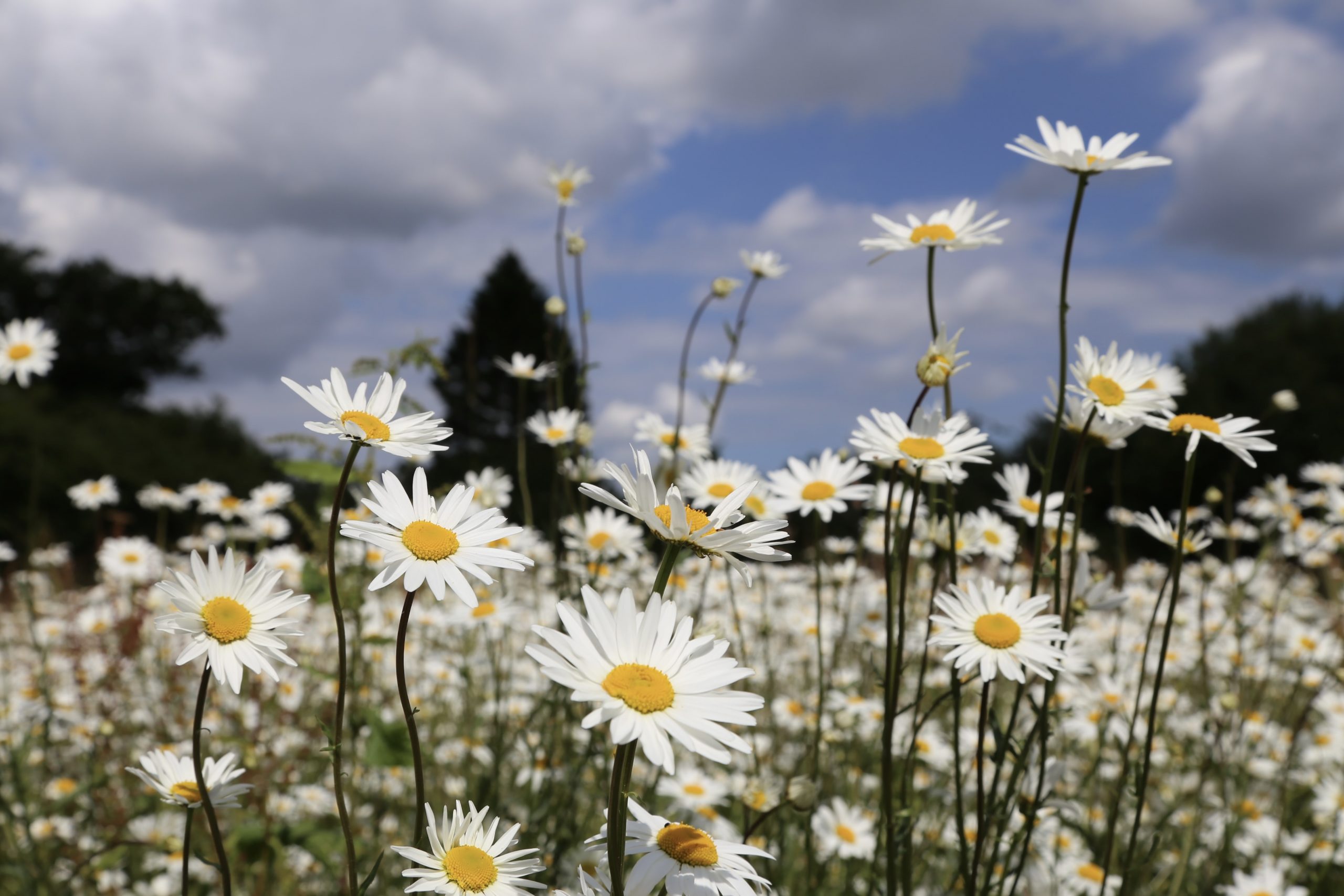
Our formal beds and paths take up less than a third of the plot – the rest is left as a wildflower meadow to encourage biodiversity.
A passion for growing
Love of flowers
Respect for nature
We fell in love with Norfolk’s majestic oaks and wide skies over 30 years ago. Our clay allotment may take ages to warm up in the Spring, but this slow start is more than made up for later in the growing season, when the clay retains moisture and avoids the need for regular irrigation. Heavy clay naturally lends itself to no-dig and minimising earth disturbance improves our soil structure, nourishes the soil ecosystem and conserves carbon.
Our “Stone Cottage” was built in flint from the surrounding fields and then faced with bricks at the front to “make an impression”, as back in 1842 bricks were held in higher status than flints! 800m up the road, the Brick Ground Plantation of trees marks the former site of Pockthorpe Kiln where our beloved clay would have been baked into these bricks.
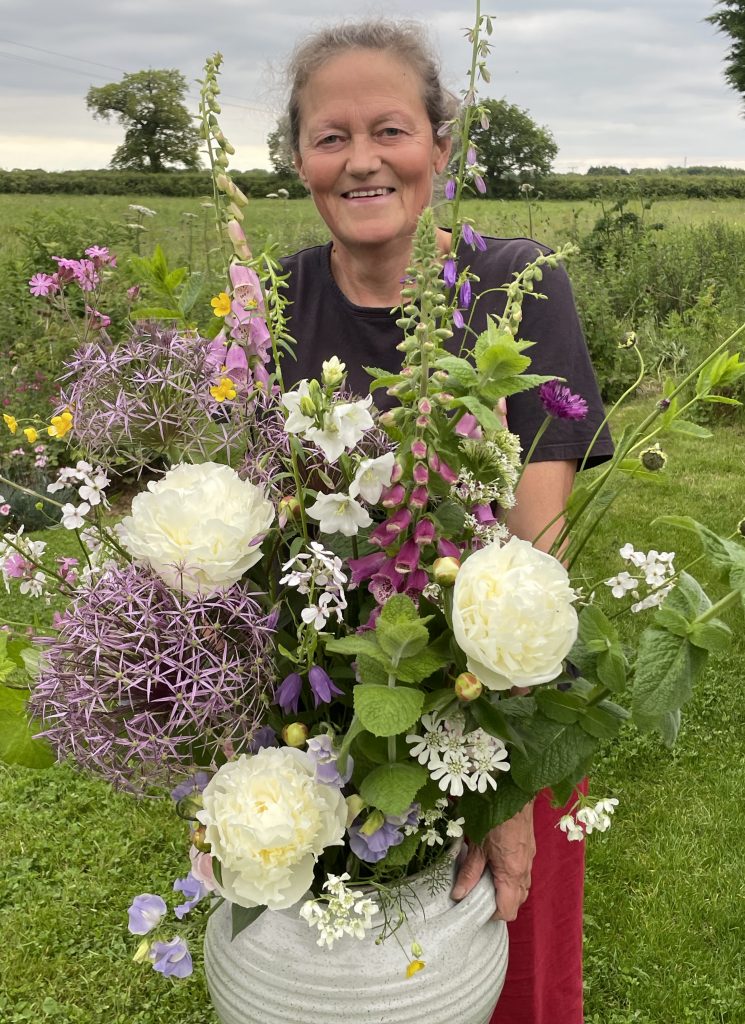
We particularly enjoy curating buckets of flowers for wedding couples and their friends/families to decorate their chosen Norfolk venue, in a palette of their choice. Their flowers will have been harvested to be in peak condition at the time of their event. Varieties are chosen because they flourish on our plot and have a proven vase life. Our customers love that our flowers look and smell divine. Their stems have not been packaged in plastic or flown around the world and retain their traits of movement, character and fragrance. Provenance matters. We also sell our seasonal Norfolk-grown flowers to local florists for weddings and events.
We grow plants to encourage pollinators and increase biodiversity.
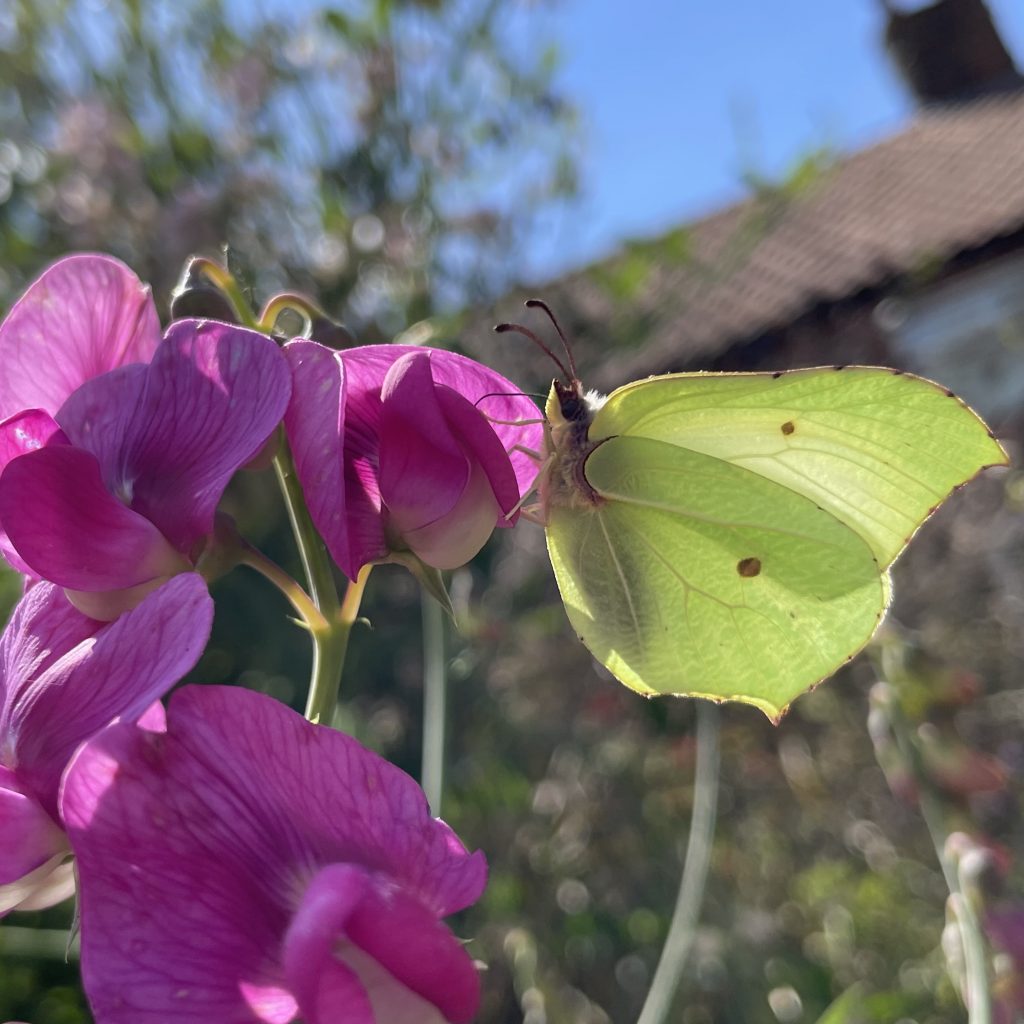
Perennial Sweet Pea
ROMANTIC CASCADING
This prolific climber naturally weaves its way up through other plants. Florists love to use its trailing stems to add movement both in bouquet work and in large installations, with pea flowers and tendrils cascading down from an arch or marquee.
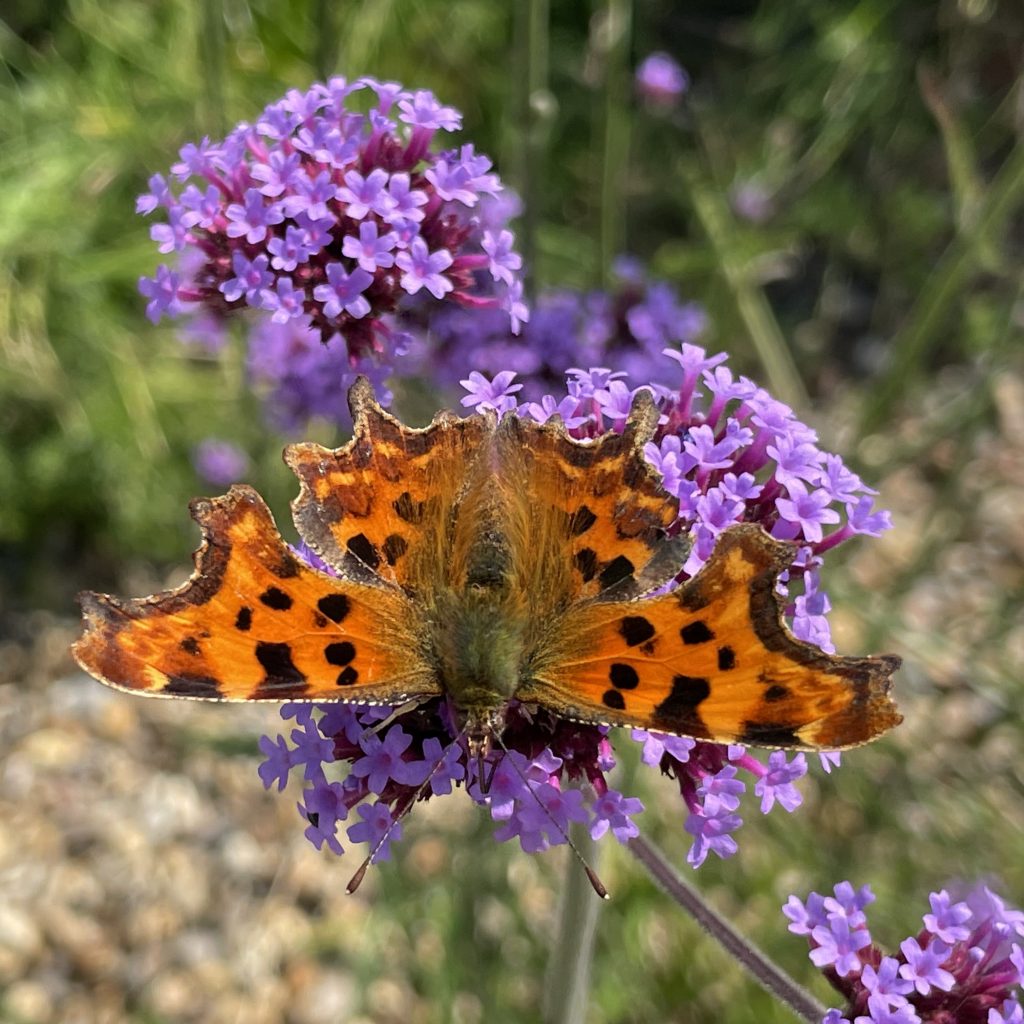
Verbena Bonariensis
BEES, BUTTERFLIES AND BIRDS
Nectar rich flowers act as a magnet to pollinators in summer and later in winter birds like Goldfinches and Blue Tits come to feed on the verbena seed heads. Its tall stems provide structure and height in floristry arrangements, such as meadow boxes and milk churns.
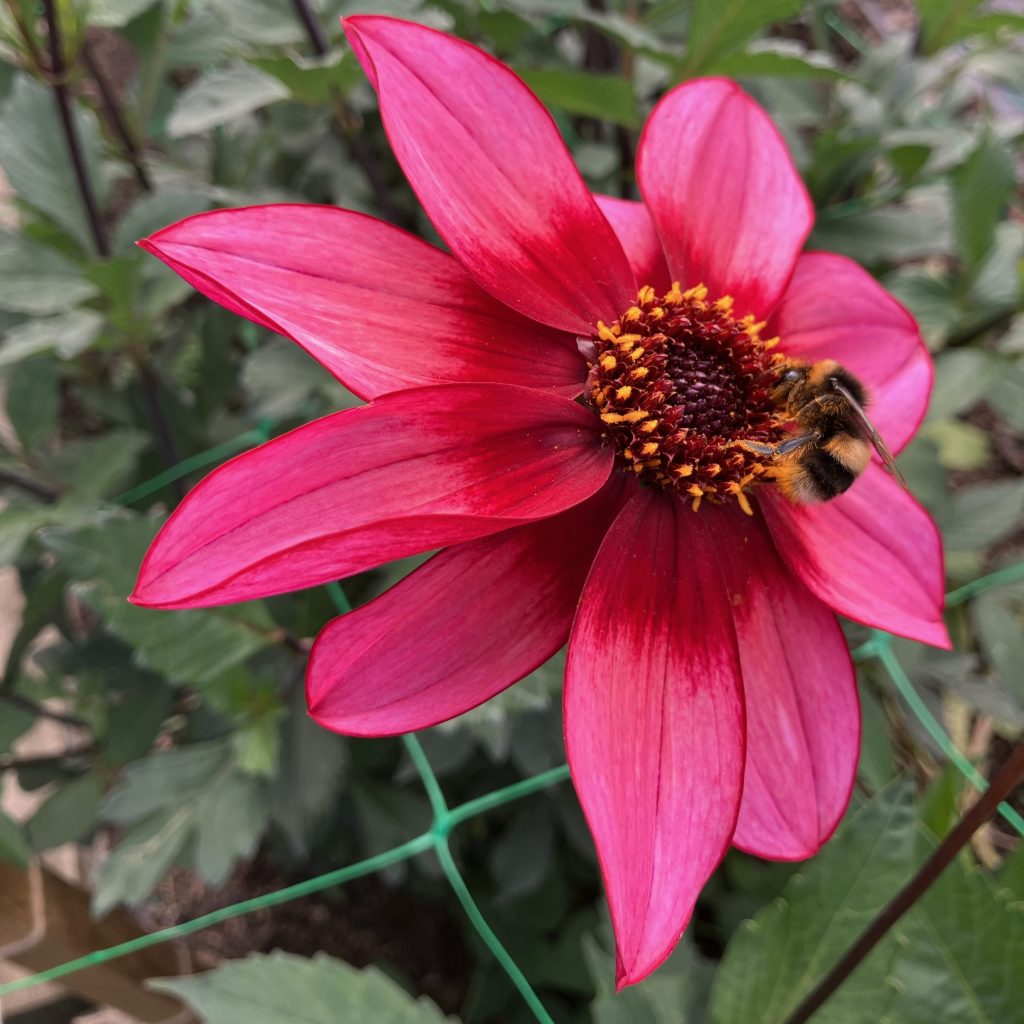
Dahlia Lou Farman
CHEERFUL FAVOURITE
Open upwardly facing flowers are highly attractive to pollinators who can easily access its nectar. Unlike the double varieties these dahlias do not last as cut flowers, but are loved both by me and the bees.
From 30 years of gardening here we have many ‘favourite’ flowers which we know thrive on our plot. We have been surprised how many of these, as long as harvested and conditioned correctly, have a long vase life.
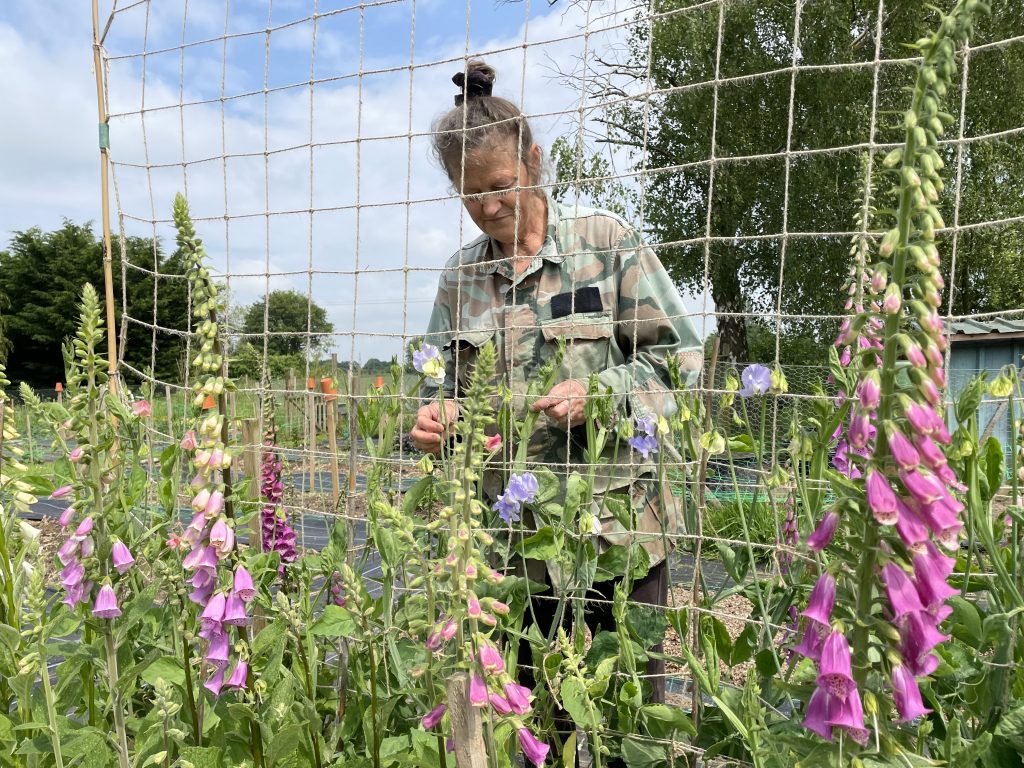
Similarly, many of our delicate wild flowers, including buttercups and ox-eye daisies, will last a week in water as long as they are harvested early around 5am before the sun has truly risen and are then immediately moved to the cool, dark studio.